
Reviewed by: Doctor Robert Perkins, MD
Written by: Kristin Rippel | Mar 9, 2026 | Last updated Mar 9, 2026
Navigating the Long-Term Use of GLP-1 Receptor Agonists
As GLP-1 receptor agonists continue to transform the landscape of weight management and type 2 diabetes treatment, a common and critical question arises for both patients and healthcare providers: are these medications safe for long-term use? Understanding the long-term safety profile, potential risks, and sustained benefits is essential for informed decision-making and effective treatment planning.
The Evolving Understanding of Long-Term Safety
Initial concerns regarding the long-term safety of GLP-1 receptor agonists have largely been addressed by extensive research and clinical experience. These medications are now generally considered safe and effective for prolonged use in managing obesity and type 2 diabetes . Regulatory bodies and global health organizations, such as the WHO, have issued guidelines supporting their long-term application for adults with obesity, excluding specific populations like pregnant women .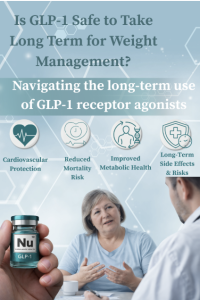
Sustained Benefits of Long-Term GLP-1 Use
Long-term use of GLP-1 receptor agonists offers a range of sustained benefits that extend beyond initial weight loss:
- Cardiovascular Protection: Studies have consistently demonstrated that GLP-1 RA treatment is associated with a significantly lower risk of major adverse cardiovascular events, including heart attack and stroke, in individuals with type 2 diabetes and established cardiovascular disease .
- Reduced All-Cause Mortality: Research indicates a notable reduction in all-cause mortality among patients on GLP-1 RA therapy, highlighting their overall positive impact on longevity and health .
- Improved Metabolic Health: Beyond weight loss, long-term use helps maintain improved blood sugar control, blood pressure, and lipid profiles, contributing to a reduced risk of complications associated with obesity and diabetes.
- Potential for Other Health Benefits: Emerging research suggests GLP-1 medications may also be tied to a decreased risk of conditions like dementia and addiction, though more studies are needed in these areas .
Addressing Potential Risks and Side Effects
While generally safe, it is important to be aware of potential long-term risks and side effects, which are typically monitored by healthcare providers:
- Gastrointestinal Issues: Common side effects like nausea, vomiting, diarrhea, and constipation usually occur early in treatment and often subside over time. However, some individuals may experience persistent gastrointestinal discomfort.
- Pancreatitis and Gallbladder Issues: Although initial concerns about an increased risk of acute pancreatitis and pancreatic cancer have largely been dispelled by long-term clinical trials, some studies have noted an increased risk of gallbladder-related problems, such as gallstones.
- Thyroid C-cell Tumors: GLP-1 receptor agonists carry a boxed warning regarding a potential risk of thyroid C-cell tumors, observed in animal studies. It is currently unknown if this risk applies to humans, but it remains a consideration, especially for individuals with a personal or family history of medullary thyroid carcinoma .
- Ocular Burden: A growing body of research suggests a possible association between GLP-1 RAs and adverse effects in the eyes, though this area requires further investigation .
Importance of Ongoing Medical Supervision
Long-term use of GLP-1 medications necessitates continuous medical supervision. Regular check-ups allow healthcare providers to monitor for side effects, assess treatment efficacy, and make any necessary adjustments to the treatment plan. This personalized approach ensures that the benefits of the medication continue to outweigh any potential risks for the individual.
Conclusion
For many individuals, GLP-1 receptor agonists offer a safe and effective long-term solution for managing weight and improving metabolic health. The sustained benefits, particularly in cardiovascular protection and overall mortality reduction, underscore their value. While potential risks and side effects exist, they are generally manageable with appropriate medical oversight. As with any long-term medication, open communication with your healthcare provider is paramount to ensure that GLP-1 therapy remains the right choice for your health journey.
References
[1] Long-term safety and efficacy of glucagon-like peptide-1 receptor … – PubMed. Retrieved from
[6] GLP-1 RA Weight Loss Drugs May Carry Untold Ocular Burden. (2025, July 3). Retrieved from
Medical Disclaimer
*The information in this article is provided for educational purposes only and is not intended as medical advice, diagnosis, or treatment. Content written by Kristin Rippel and reviewed by Dr. Robert Perkins, MD should not replace guidance from a licensed healthcare professional.
Individuals should consult a qualified medical provider before starting, stopping, or changing any medication or treatment, including GLP-1 therapies.
NuBalance Health provides medical services through licensed healthcare professionals, and treatment decisions are made solely by those providers based on their clinical judgment.