
Reviewed by: Doctor Robert Perkins, MD
Written by: Kristin Rippel | Mar 9, 2026 | Last updated Mar 9, 2026
Exploring Different Approaches to GLP-1 Administration
GLP-1 receptor agonists have become a cornerstone in weight management, offering significant benefits for many individuals. Typically, these medications are prescribed following a standard titration schedule, often referred to as “macro dosing,” where the dosage is gradually increased over time to reach a therapeutic level. However, some discussions have emerged around “micro dosing” GLP-1s, involving smaller, more frequent doses or maintaining sub-therapeutic levels. Understanding the distinctions, potential benefits, and risks of these approaches is crucial for informed decision-making.
Macro Dosing: The Standard Approach
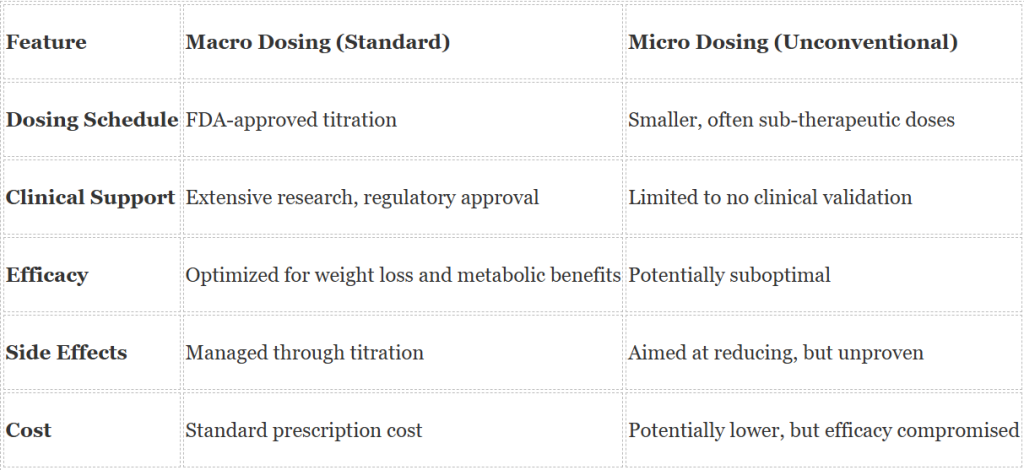
Macro dosing refers to the conventional, clinically validated approach to GLP-1 administration. This involves following the FDA-approved titration schedules provided by manufacturers. For example, with Semaglutide (Wegovy), patients typically start at a low dose (e.g., 0.25mg weekly) and gradually increase to a higher maintenance dose (e.g., 2.4mg weekly) over several months. This gradual increase is designed to:
- Minimize Side Effects: By slowly increasing the dose, the body has time to adapt, which can help reduce the incidence and severity of common gastrointestinal side effects like nausea, vomiting, and diarrhea .
- Achieve Therapeutic Efficacy: The titration schedule is carefully developed to ensure that patients reach a dose that provides optimal weight loss and metabolic benefits, as demonstrated in clinical trials.
- Safety and Efficacy: This approach is backed by extensive research and regulatory approval, ensuring a balance of safety and effectiveness.
Micro Dosing: An Emerging Concept
Micro dosing, in the context of GLP-1s, generally refers to taking smaller doses than the standard titration schedule, either more frequently or by staying at lower, sub-therapeutic levels for extended periods. The rationale behind micro dosing often includes:
- Reducing Side Effects: Proponents suggest that smaller doses might lead to fewer or less severe side effects, making the medication more tolerable for some individuals .
- Cost Management: Given the high cost of GLP-1 medications, micro dosing could be seen as a way to extend the supply and reduce expenses.
However, it is critical to understand that micro dosing GLP-1s is not a clinically validated or FDA-approved approach.
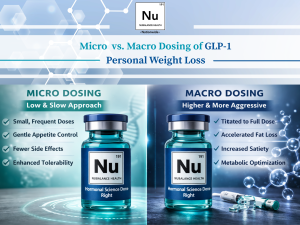
There is limited scientific evidence to support its efficacy or long-term safety. Potential concerns with micro dosing include:
- Suboptimal Efficacy: Doses below the established therapeutic range may not provide the full weight loss or metabolic benefits observed in clinical trials. This could lead to disappointment and a lack of desired results.
- Lack of Research: The long-term effects of micro dosing on weight management, metabolic health, and potential side effects are not well-studied.
- Inconsistent Results: Without a standardized approach, outcomes can be highly variable and unpredictable.
- Risk of Mismanagement: Self-adjusting dosages without medical guidance can be risky and may lead to improper use of the medication.
Key Considerations for Patients
When considering GLP-1 therapy, it is paramount to engage in open and honest discussions with your healthcare provider. They can help you understand the approved dosing schedules, potential side effects, and strategies for managing them. While the idea of reducing side effects or cost through micro dosing might seem appealing, it is essential to prioritize approaches that are supported by scientific evidence and medical consensus.
Table 1: Macro Dosing vs. Micro Dosing GLP-1s
Conclusion
While GLP-1 medications offer a powerful pathway to improved health, adhering to medically approved dosing strategies is crucial for maximizing their benefits and ensuring safety. Macro dosing, with its evidence-based titration schedules, remains the recommended approach for GLP-1 administration. Micro dosing, while discussed, lacks the scientific backing and regulatory approval necessary to be considered a safe and effective alternative. Always consult with your healthcare provider to determine the most appropriate and safe treatment plan for your individual needs and health goals.
References
[2] Should You Microdose GLP-1 Drugs? (2025, August 28). Retrieved from
Medical Disclaimer
*The information in this article is provided for educational purposes only and is not intended as medical advice, diagnosis, or treatment. Content written by Kristin Rippel and reviewed by Dr. Robert Perkins, MD should not replace guidance from a licensed healthcare professional.
Individuals should consult a qualified medical provider before starting, stopping, or changing any medication or treatment, including GLP-1 therapies.
NuBalance Health provides medical services through licensed healthcare professionals, and treatment decisions are made solely by those providers based on their clinical judgment.