
Reviewed by: Doctor Robert Perkins, MD
Written by: Kristin Rippel | Mar 9, 2026 | Last updated Mar 9, 2026
Understanding GLP-1: A Key to Modern Weight Management
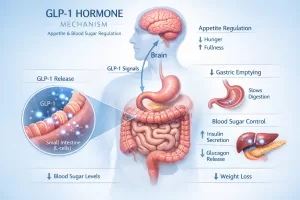
In the evolving landscape of weight management, Glucagon-Like Peptide-1 (GLP-1) has emerged as a significant player. Far from being a new concept, GLP-1 is a naturally occurring hormone in your body that plays a crucial role in regulating blood sugar and appetite. Recent advancements in medicine have harnessed the power of this hormone through GLP-1 receptor agonists, offering a novel approach to weight loss and metabolic health.
The Science Behind GLP-1
GLP-1 is an incretin hormone produced in the gut, primarily in response to food intake. Its primary functions include stimulating insulin secretion from the pancreas in a glucose-dependent manner, thereby lowering blood sugar levels. Additionally, GLP-1 suppresses glucagon secretion, which further contributes to glucose control .
However, the impact of GLP-1 extends beyond blood sugar regulation. It also influences the brain and digestive system in ways that are highly beneficial for weight management:
- Appetite Control: GLP-1 acts on receptors in the brain, particularly in the hypothalamus, which is responsible for regulating appetite. This interaction leads to a reduction in hunger and an increase in feelings of fullness, helping individuals consume fewer calories .
- Delayed Gastric Emptying: GLP-1 slows down the rate at which food leaves the stomach. This delay contributes to prolonged satiety, meaning you feel full for a longer period after eating, which can reduce overall food intake .
These combined effects—reduced appetite, increased satiety, and improved glucose metabolism—create a favorable environment for weight loss.
GLP-1 Recept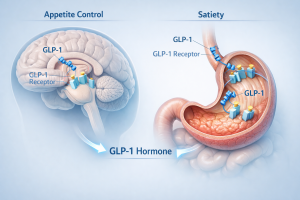 or Agonists: Mimicking Nature for Better Health
GLP-1 receptor agonists are a class of medications designed to mimic the action of natural GLP-1. By activating GLP-1 receptors, these medications enhance the body’s natural mechanisms for appetite control and blood sugar regulation. This therapeutic approach has proven highly effective for individuals struggling with obesity, overweight, and type 2 diabetes .
These medications are typically administered via injection, and their use is often part of a comprehensive weight management plan that includes dietary changes and increased physical activity. The goal is not just to lose weight, but to foster sustainable lifestyle changes that support long-term health.
Conclusion
GLP-1 and its therapeutic counterparts, GLP-1 receptor agonists, represent a significant stride in understanding and treating obesity and related metabolic conditions. By leveraging the body’s own regulatory systems, these treatments offer a powerful tool to help individuals achieve their weight management goals and improve their overall health. As with any medical treatment, it is essential to discuss with a healthcare provider to determine if GLP-1 therapy is appropriate for your individual needs.
References
[2] GLP-1 Agonists – Cleveland Clinic. Retrieved from
Medical Disclaimer
*The information in this article is provided for educational purposes only and is not intended as medical advice, diagnosis, or treatment. Content written by Kristin Rippel and reviewed by Dr. Robert Perkins, MD should not replace guidance from a licensed healthcare professional.
Individuals should consult a qualified medical provider before starting, stopping, or changing any medication or treatment, including GLP-1 therapies.
NuBalance Health provides medical services through licensed healthcare professionals, and treatment decisions are made solely by those providers based on their clinical judgment.